

The spreadsheet of ideas
Martin has told the story of how he found Narrative's idea at least four times on the record, between 2013 and 2021, and never quite the same way twice. The spreadsheet is always there. What moves is the number of rows in it, how long each idea held him, what broke the pattern, and how much of one slightly desperate summer has hardened into a formula for other people. This page reads the tellings side by side and treats the drift as the subject. The method itself is summarised in the idea-generation section of Growth, strategy & risk; this page is about how the story got there.
2013: an Excel sheet, two months, thirty-odd ideas
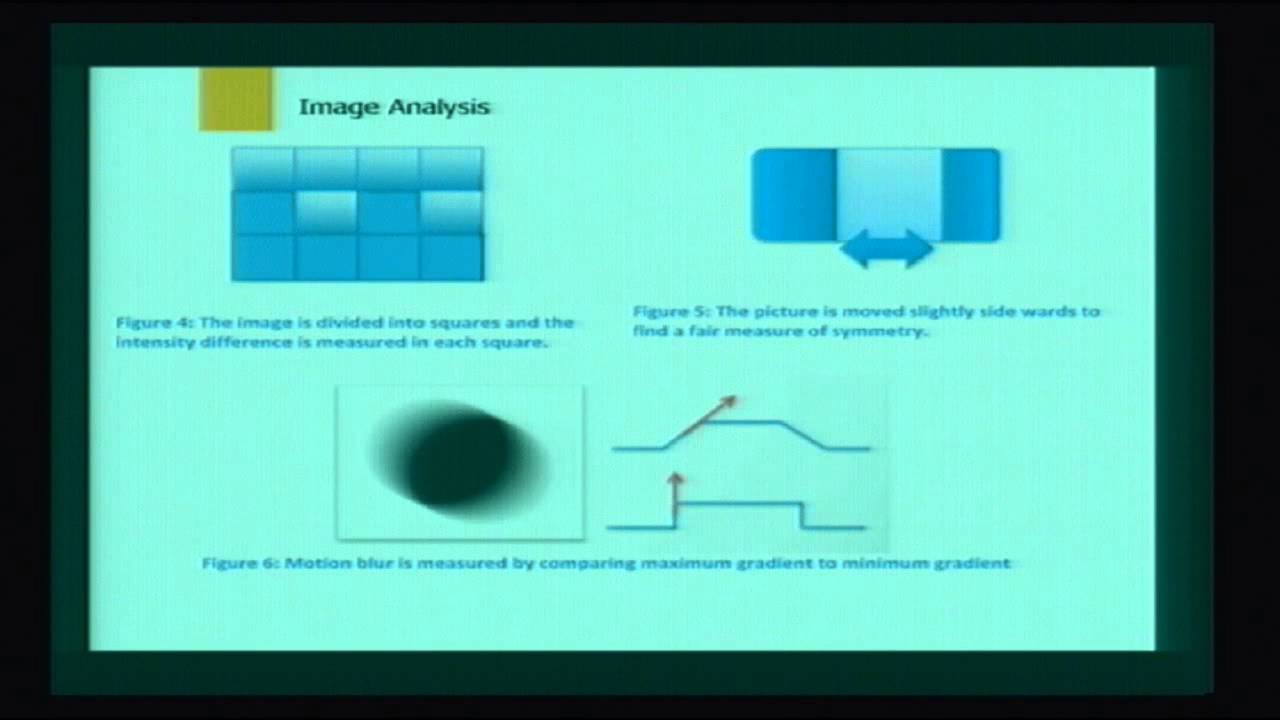
The earliest telling is a talk to students in Linköping in 2013, in Swedish. Six years at Twingly had taught him that "det som driver mig är att få lära mig nya saker varje dag" (what drives me is getting to learn new things every day), and the company had drifted from innovation to sales. ▶ 24:29 He stayed on until a new CEO was found, went from five days a week to four, and in this version asked for a 25 percent raise so the pay stayed the same; on that one day a week, over nine months, he built Memoto's team, financing and product concept. ▶ 25:20
The search itself is told as comedy. He sat down in the summer of 2011, asked himself what to start, and made a list. "Varje ny idé gick jag och brann för i två, tre dagar. Yes, nu har jag hittat min nya startup." (Every new idea I walked around burning for, for two or three days. Yes, now I've found my new startup.) Two days later: maybe not an automated publishing house, maybe subscriptions of marker pens for illustrators instead. ▶ 25:46 The result was "på två månaders tid producerat en Excel-ark med 30-40 företagsidéer där ingen till slut var bättre än den annan" (in two months, an Excel sheet of 30–40 business ideas where in the end none was better than another), and a feeling of hopelessness about the pile. Then, with no named trigger, he noticed he had been thinking about one idea for over a month and talking to everyone about it. That was Memoto. ▶ 26:38 The moral was deflationary: "Idéerna är inte så mycket värd" (the ideas aren't worth much); the spark and the plan are. ▶ 33:03
2013, on stage: the Hunger Games version
The same summer, in English at LeWeb London, the numbers vanish and the tone flips. Idea selection becomes "the Hunger Games of entrepreneurship". ▶ 1:51 The Excel sheet is now "a huge spreadsheet of business ideas", kept for combat: "You want the ideas to hate each other so much, so they want to kill each other." ▶ 15:03 You build on nothing until one idea is left standing, "bloody and sweaty and heaving from the battle". ▶ 15:28 The sign of the winner is the same as in Linköping, stated as a rule rather than an accident: "everything you read appears to be about that idea". ▶ 15:54 A list that produced hopelessness in one talk is an arena in the other.
2014: a Google Spreadsheet, and an SD card
A year later, on the Swedish podcast Startuppodden, the story acquires a structure and a cause. It is now "en väldigt strukturerad process som liknade den väldigt mycket som vi gjorde innan när vi startade Twingly" (a very structured process, very like the one we did before starting Twingly), the first time the Twingly search is folded into the same method. The tool is upgraded: "inte ett anteckningsblock men ett Google Spreadsheet med företagsidéer som jag måttade på varje dag med nya idéer" (not a notebook but a Google Spreadsheet of business ideas I fed every day with new ideas). ▶ 35:51 The count has grown to "45-50 företagsidéer", ▶ 36:17 and the hold time has shrunk to two days flat: "Jag tänkte hur ska jag någonsin kunna starta ett företag om jag bara kan hålla fast vid en idé två dagar i sträck?" (I thought, how am I ever going to start a company if I can only hold on to an idea for two days in a row?) ▶ 36:42
Asked by the host which ideas he scrapped, he returns to the publishing house, now data-driven and subscription-based, and adds a motive the earlier talk lacked: nearly everything on the list was consumer-facing, because he was tired of B2B sales cycles of 12 to 24 months. ▶ 37:16 The wearable camera, it turns out, was on the list early and got rejected, because a digital camera in his head had to be something like five by five centimetres. ▶ 38:24 What changed his mind was a teardown of a Finnish Wi-Fi SD card he calls iFi in the recording: "Som var helt fantastiskt. Som jag bara blev helt mindblown av." (Which was completely fantastic. Which I was just completely blown away by.) ▶ 38:50 Only then did the idea take hold, "blev jag verkligen emotionellt förankrad. Den idén bara tog tag i mig" (I became really emotionally anchored; that idea just grabbed me), for three or four weeks rather than two days. ▶ 39:16 Behind it sat the reason the camera mattered: both parents lost, and photo albums that only ever recorded the happy occasions. ▶ 39:41 This telling also fixes a number for other people: "inte ge sig förrän man har 40 olika idéer att jämföra mellan" (don't give up until you have 40 different ideas to compare). ▶ 71:31
2021: sixty or seventy, and a hundred a year
By the StartupTalks webinar in 2021 the story is a rule with a dosage. Asked how he chooses, he answers "don't bet on your first idea" and explains the trap: you cannot know if an idea is good before you try it, you don't want to try bad ones, and nobody else can judge because they can't see inside your head. So you compare many ideas inside your own head. ▶ 7:54 The count climbs again and now covers both companies: "both with starting Twingly and Narrative, I had spreadsheets of 60 or 70 business ideas that I explored". ▶ 9:03
The Q&A turns the two-day burn from a flaw into the method. An audience member is tired of their idea. Martin: "It's because you didn't go fast enough on finding new ideas." This is only your tenth; "It needs to be your 40th or 50th or 100th idea." ▶ 41:17 Then the dosage: "You only spend 3 days on one idea. If you spend 3 months, you will never get to 100 ideas before you die." After three months you will know, and then you tell everyone, so that "the shame of failure or the shame of giving up" holds you when nothing else does. ▶ 42:09
What moves, and what doesn't
Laid out in order, the drift is plain. The sheet holds 30–40 ideas in 2013, 45–50 in 2014, 60–70 in 2021, when Twingly is retroactively given a sheet of the same size. The burn is two or three days, then two, then a prescribed three. The advice grows from 40 ideas to 100, and two months in 2011 become a three-month programme. The SD-card teardown that makes the 2014 version a proper story is absent from both 2013 tellings.
What never moves is more telling. In every version there is a list kept on purpose rather than a flash of insight, a short burn that felt like a character flaw, and one test for the right idea: it stays for weeks and colonises conversation, whether that is över en månads tid (over a month) in Linköping, three or four weeks on the podcast, or an idea you cannot stop talking about in London. ▶ 26:38 ▶ 39:16 ▶ 15:54 And in every version Twingly pays for the search: the negotiated fifth day, and a CEO hunt that took nine months, which he counts as luck because it gave him time to plan. ▶ 25:20 A 2015 Breakit profile confirms the deal from outside: "jobba en dag i veckan med Narrative tills de hittat en ny vd" (work one day a week on Narrative until they had found a new CEO). Breakit ↗
There is a wry footnote. The formula of three days per idea and a hundred a year is delivered in 2021 by someone who, in the same session, says his ventures since Narrative arrived as invitations rather than from a sheet, and that Bangkok and New York turned into "a bit shorter journeys perhaps". ▶ 9:03 That may be the strongest argument for the method the story has produced. For the company the sheet led to, see Narrative; for the exit that funded it, Leaving the Twingly CEO role.
Worth remembering
- The count grows with each telling: 30–40 ideas in 2013, 45–50 in 2014, 60–70 in 2021. ▶ 26:38 ▶ 36:17 ▶ 9:03
- The trigger only appears in 2014: a Wi-Fi SD card teardown sent him back to a camera idea he had already rejected. ▶ 38:50
- The test never changes: the right idea stays for weeks and takes over your conversation. ▶ 39:16 ▶ 15:54
- The despair became the method: two days per idea was a flaw in 2014 and a prescription of three days by 2021. ▶ 36:42 ▶ 42:09
- Someone paid for the search: one negotiated day a week at Twingly, for nine months. ▶ 25:20 Breakit ↗