Narrative Clip 2
Narrative Clip 2 was the second-generation wearable lifelogging camera from Narrative (formerly Memoto), unveiled at CES 2015 as a ground-up rework of the original Kickstarter-funded Clip: an 8-megapixel sensor in place of the first Clip's 5MP, a wider lens, built-in WiFi and Bluetooth that finally freed users from a USB cable, and — announced separately later that year — the ability to shoot 1080p video on top of its signature silent, automatic photo capture. It sold for $199, took roughly a year longer to reach customers than planned, and by the time it started shipping in December 2015 represented close to four years of cumulative hardware and software development. It was also the last Narrative product to ship at real scale, and the device the company spent 2016 fighting to keep alive.
Hardware & specs
- Sensor and optics. The headline upgrade was the camera sensor: from 5MP on the original Clip to 8MP on Clip 2, paired with a wider lens (reported as 86° by most outlets, 90° by a few) for better framing and improved low-light performance. MacRumors ↗ · PRWeb ↗ · Engadget ↗
- Photo capture. Like the original, Clip 2's core behavior is automatic, silent time-lapse photography — a default interval of 30 seconds, adjustable from about 10 seconds up to 2 minutes. DailyTekk ▶ 0:34 · SF Chronicle ↗
- Video, added after the CES unveiling. At CES in January 2015, Clip 2 shipped without video capability. CNET ▶ 0:51 Narrative added it as a distinct announcement that September: 1080p/30fps video in MP4 format, triggered on-demand by a double-tap (or the app) for roughly 10-second clips, with length adjustable in the app — a deliberate on-demand-only design meant to balance the extra battery and storage draw against the camera's always-on photo habit. The Next Web ↗ · PetaPixel ↗ · Gear Talk ▶ 5:52
- Storage and battery. 8GB of internal storage — about two days of continuous time-lapse photography, or roughly 4,000 photos by a later estimate — and a rated 30 hours of battery life in continuous time-lapse mode (multiple days in standby), recharging fully in about an hour over Micro-USB. PRWeb ↗ · DPReview ↗ · Wearable Cameras Comparison ▶ 0:50. One 2016 hands-on found real-world battery life much shorter — a few hours rather than a full day. Bleeptrack ▶ 2:54
- Connectivity. Built-in WiFi and Bluetooth (the original Clip was USB-only), plus a GPS module embedding location data in each photo's metadata. The Next Web ↗ · DPReview ↗
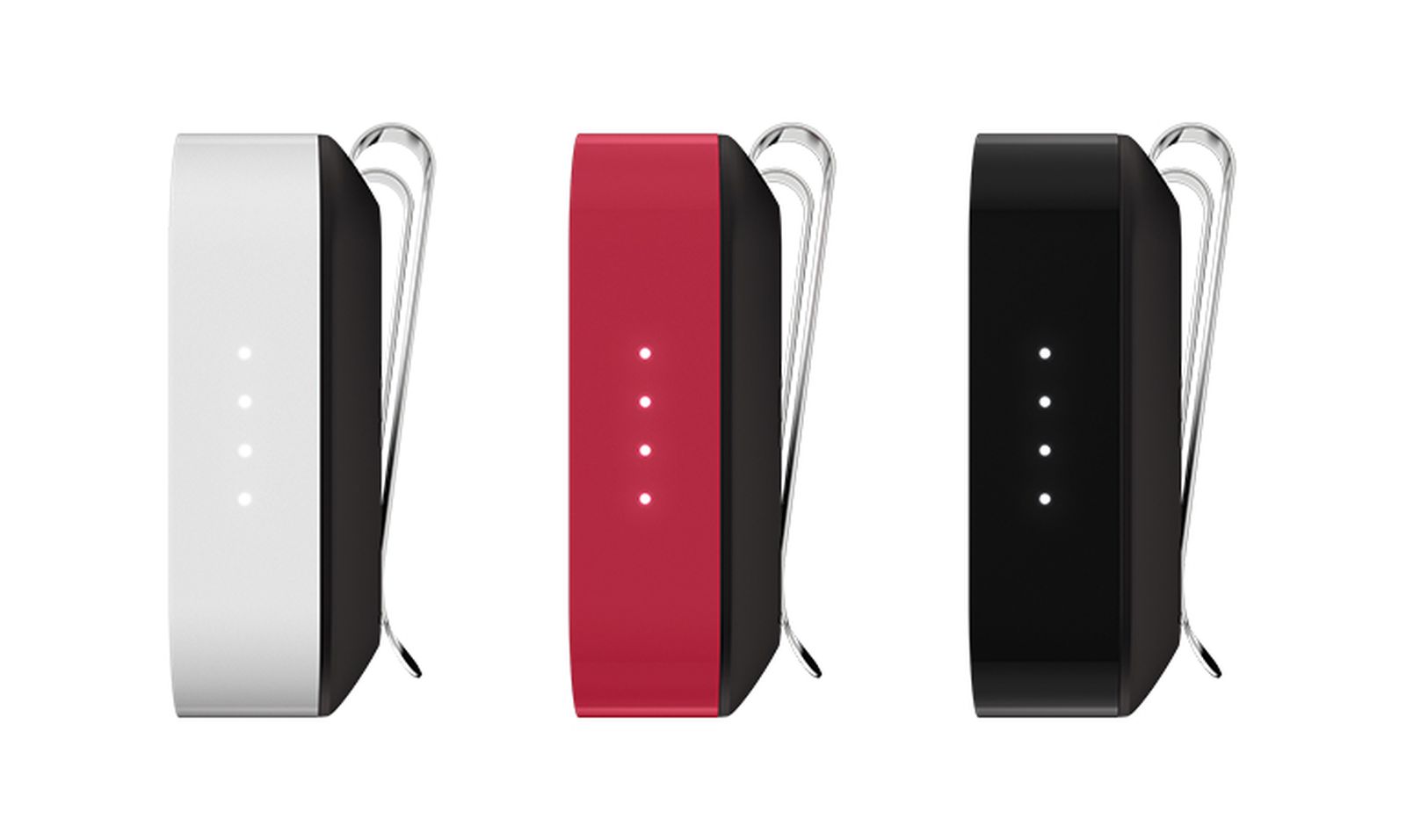
- Build. Water-resistant enough for everyday use without a case, with an accelerometer that auto-orients photos regardless of how the camera is mounted, and four white LEDs signaling charge and upload status. PRWeb ↗ · CNET ▶ 0:51 · Gear Talk ▶ 5:52
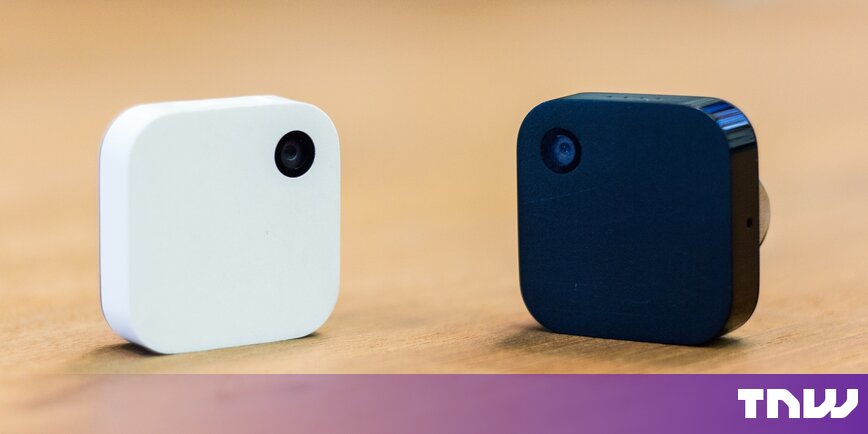
- Colors and price. $199 (versus $149 for the original Clip), available in Piano Black, Arctic White, and Narrative Red. TechCrunch ↗ · PRWeb ↗
Design & wearability
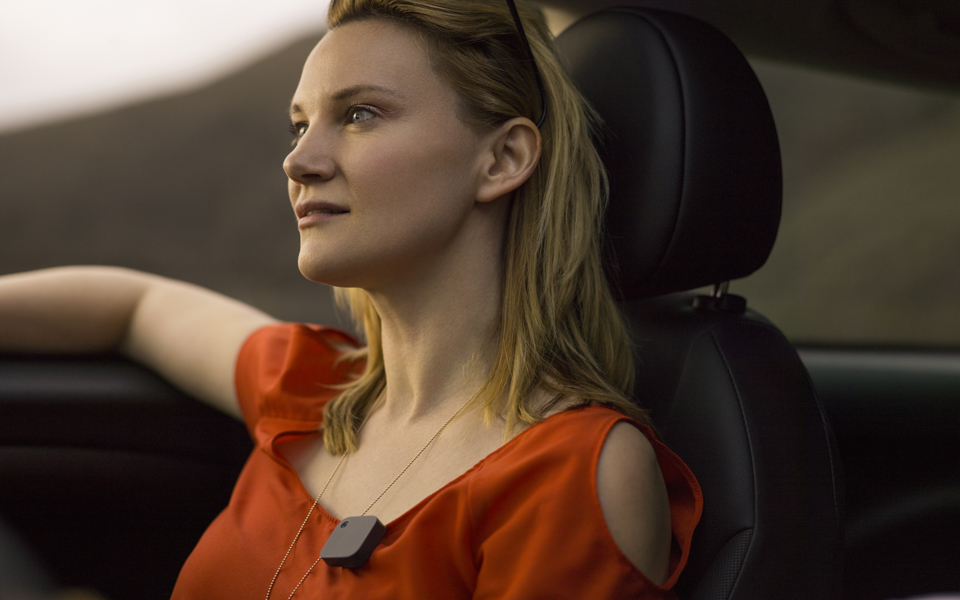
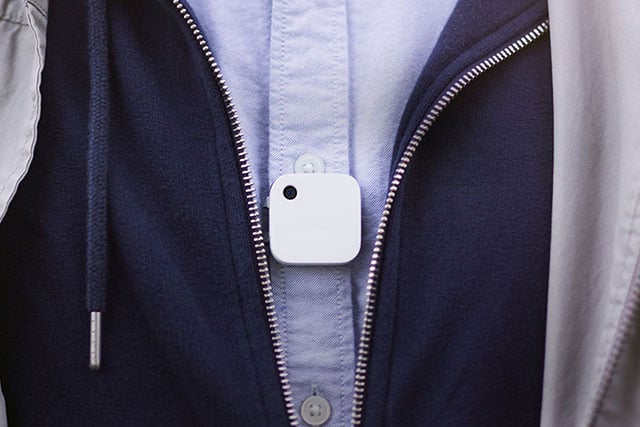
- The biggest physical change from Clip 1 was a modular, interchangeable back: swappable clip, lanyard/necklace loop, and alligator clamp, replacing the original's fixed metal clasp — meant to support wearing the camera as a shirt clip, necklace, or on a bag. SlashGear ▶ 0:30 · Narrative homepage ↗
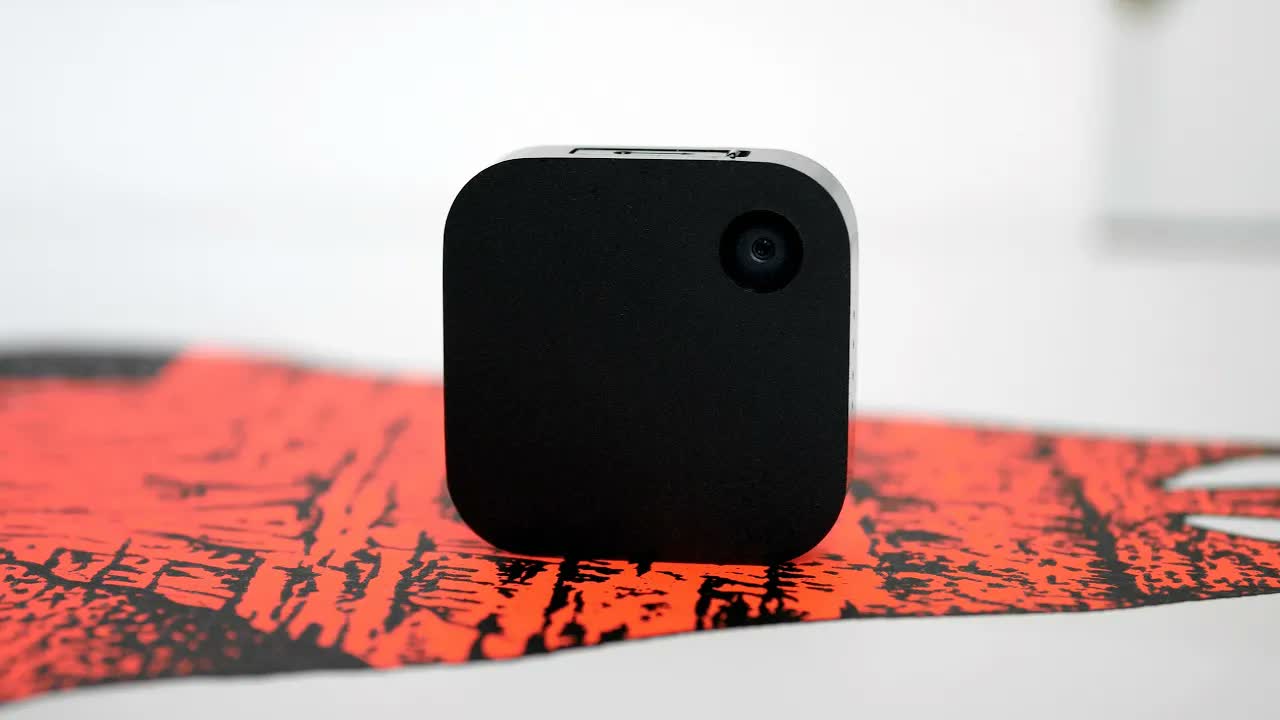
- The front face was redesigned with a larger lens sitting flush with the body — an aesthetic reference to the iPhone 6 rather than the original's shiny inset-lens look. Fast Company ↗
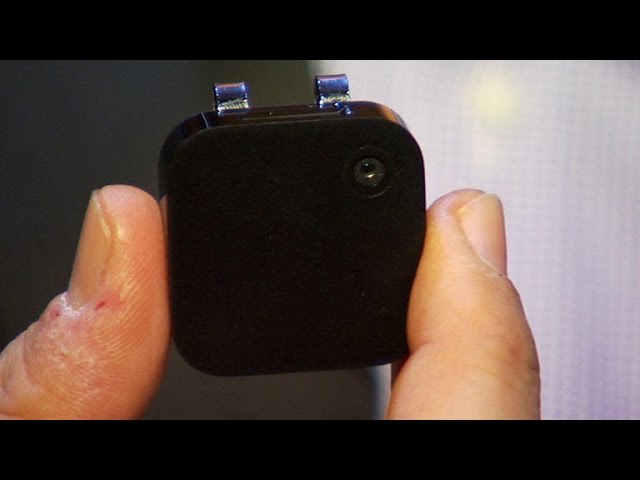
- Despite the added sensor, lens, radios, and GPS, Clip 2 kept the small, square, rounded-corner form factor of the original — the basis for Narrative's recurring marketing line, "the world's most wearable camera." Narrative Clip 2 - World's Most Wearable ▶ 1:45 · Gear Talk ▶ 0:00
- Importing the device into the US required FCC regulatory approval, a step that fed into the shipping delays. Gear Talk ▶ 0:50
Software, cloud & business model
- "The value is in the software, not the hardware." Martin framed Clip's core value proposition as the platform for organizing and making sense of the thousands of photos a user's camera produces — not the camera itself. Web Summit ▶ 9:03
- Photos and videos sync automatically over WiFi to Narrative's cloud service in the background, with Bluetooth handling phone pairing, remote control, and settings; an image-analysis algorithm filters out poorly framed or out-of-focus shots, and a "moments" feature auto-groups photos into collections. Liliputing ▶ 2:43 · MacRumors ↗
- Narrative switched Clip 2 to a freemium model — the full product free to use, with 10GB of free cloud storage and paid upgrades for more — replacing Clip 1's mandatory paid subscription. Liliputing ▶ 3:35 · DailyTekk ▶ 3:56
- The apps (iOS and Android) added a public timeline for sharing best shots with other users, on top of sharing to Facebook and Twitter. The Next Web ↗ · Good Dog ▶ 0:42
- The software had real rough edges: a 2016 hands-on found the full desktop app was PC-only (unusable on iPad or Android tablets), WiFi/cloud settings could silently revert without user action, and getting a video clip onto an iPad meant routing through a PC, iTunes, and iMovie. Gear Talk ▶ 2:06 · Gear Talk ▶ 7:58 · Gear Talk ▶ 9:13
Launch, pricing & timeline
- Narrative unveiled Clip 2 at CES on January 5, 2015 — about a year after the original Clip shipped — as a from-scratch camera and software redesign, not an incremental refresh. Engadget ↗ · Rude Baguette ↗
- Preorders opened May 18, 2015 at $199, with the original Clip staying on sale at $149. TechCrunch ↗
- A discounted preorder also ran through Kickstarter in July 2015. From that order, Narrative took roughly ten months to ship — time it used to finish redesigning both hardware and software to add video and audio recording. Gear Talk ▶ 0:25 · Gear Talk ▶ 0:50
- Video capability was announced separately on September 2, 2015, and Clip 2 officially began shipping December 10, 2015 — a launch Martin greeted as a chance to get the camera into people's hands over the holidays, for capturing family and friends. PRWeb ↗
- Wider US retail availability followed in April 2016. SF Chronicle ↗
- Looking back, Martin described both camera generations as delayed by "almost a year" apiece against plan — Clip 2's slip meant the company needed fresh funding almost immediately after launch, which he later called a major red flag for investor confidence. StartupTalks ▶ 17:19 · Breakit podcast ▶ 14:58 · Breakit podcast ▶ 16:14
- Combined, the two Clip generations sold about 40,000 units. TechCrunch ↗ · Engadget ↗
Reception, privacy & legal concerns
- Clip 2 held a reported 40% long-term retention rate among users, but margins at retail were thin — about 10% at the $200 price point — a tension between engineering ambitions for a polished product and investor pressure to cut price that later fed into Narrative's funding troubles. Fast Company ↗
- Because the camera is small, silent, and doesn't visibly signal that it's recording (unlike a phone held up to shoot), legal experts warned it could run afoul of California's wiretapping law by capturing confidential conversations without consent — and a 2016 hands-on separately noted that once people did recognize the device as a camera, it created real social friction. SF Chronicle ↗ · Bleeptrack ▶ 3:43
- Futurist Paul Saffo, quoted in the same SF Chronicle piece, predicted devices like Clip 2 would eventually become ubiquitous and normalize constant recording — reshaping privacy expectations broadly, not just around this one product.
- Academic bystander-privacy research of the period cited the Narrative Clip directly, concluding that privacy-preserving design needs to be built into lifelogging devices from the start rather than bolted on. ResearchGate ↗
- A 2016 review flagged that Clip 2's video recording gave no visual or audio cue as it ran, making it hard even for the wearer to judge when a roughly-15-second clip would end. Gear Talk ▶ 5:02
Beyond lifelogging: research and education
- In April 2017, Linköping University used Clip 2 in a UX-research study — four students wearing it over three days generated about 2,700 photos, which stimulated as many new recalled experiences in participants' timelines as their own self-reported notes did, though the volume of images made the method extremely time-consuming. Linköping University ↗
- Martin ran workshops with teachers using Clip 2, asking them to set privacy and security worries aside and explore positive classroom applications only — an exercise that surfaced ideas like using face recognition to analyze which students got a teacher's attention, and combining audio with behavioral analysis to build teacher self-awareness. He separately explored pairing Clip-style cameras with facial-blood-flow analysis to measure emotional states. En Sak i Dag ▶ 3:24 · En Sak i Dag ▶ 3:49 · En Sak i Dag ▶ 4:40
- After the 2016 shutdown, Narrative's reformed leadership also floated a B2B pivot — using the camera as a body cam for delivery and courier services. TechCrunch ↗
The 2016 rescue attempt
Clip 2's story doesn't end at its December 2015 launch. Manufacturing couldn't keep pace with demand even before the shutdown, and when Narrative ran out of money mid-2016, Clip 2 production stalled with only preorder units delivered. TechCrunch ↗ The reconstructed "New Narrative" that emerged that fall built its turnaround plan around the camera: preserve user data on the servers, restart Clip 2 production with a new manufacturing partner, and — if that proved profitable — develop a Clip 3. Engadget ↗ · TechCrunch ↗ Some existing customers had unresolved hardware problems the new, smaller team couldn't immediately fix. TechCrunch ↗ By late 2016, Martin noted Clip 2 could still go back into production for the right buyer, with the remaining 10-person team ready to keep building it under new ownership. Fast Company ↗ The full arc of that fight — and how it ended — is covered on the Narrative company page.
Legacy
Years after Narrative wound down, Clip 2 kept its reputation. In a 2023 podcast conversation, Martin argued that — eight years on — Clip 2 was still the best lifelogging camera made, with nothing built since that surpassed it, and floated combining lifelogging camera data with brainwave data as a way to capture what a person is looking at and thinking about simultaneously, framing the Clip as an early example of the kind of always-on IoT device that AI would eventually make broadly useful. Co-Creating with AI ▶ 27:28 · Co-Creating with AI ▶ 25:15 A 2023 YouTube comparison against GoPro and Sony's Action Cam still placed Clip 2 in its own category — the discreet, everyday-wearable option next to two action cameras built for sport. Wearable Cameras Comparison ▶ 0:50
Worth remembering
- Clip 2 launched at CES in January 2015 without video recording — that came as a separate announcement eight months later, in September, ahead of the December ship date. Two features people now associate with the same device were, in fact, announced eight months apart.
- The rated 30-hour battery life that shows up across nearly every spec sheet didn't match at least one reviewer's real-world experience of a battery lasting only a few hours — a reminder that lab specs and daily-wear conditions diverged.
- Software, not hardware, was the value Martin pointed to when explaining the product — a framing worth keeping in mind alongside the long list of hardware specs above.