The photo albums and the ninth birthday
Martin's origin story has two halves: a grief and a birthday party. The grief is losing his father at 22 and his mother about ten years later, then finding that the family albums held only the posed, happy days. The birthday is his daughter Lynn turning nine in early 2013 with a Memoto camera clipped to her, coming away with 200 photos taken from her own eye level. He told it on four stages in 2013, on a podcast in 2014, in a Breakit profile in 2015 and in a bankruptcy post-mortem in 2017. This page lays the tellings side by side and notes what moves: which loss is foregrounded, which child, and how far away the birthday is. The deaths have their own pages, Father's death and Mother's death; the company is on Narrative, the chronology on life history.
2012–spring 2013: the father, then the birthday
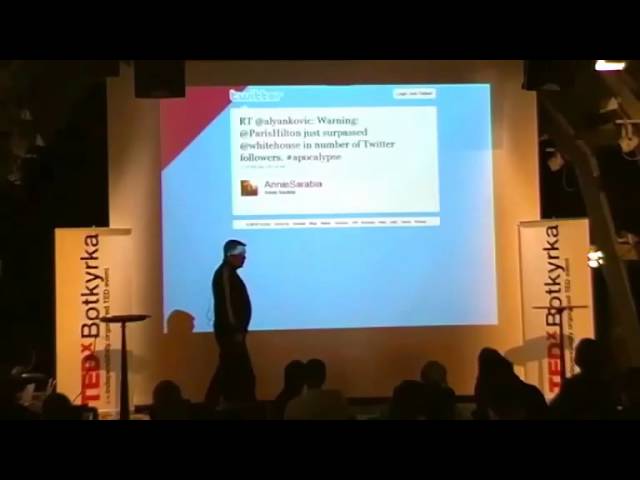
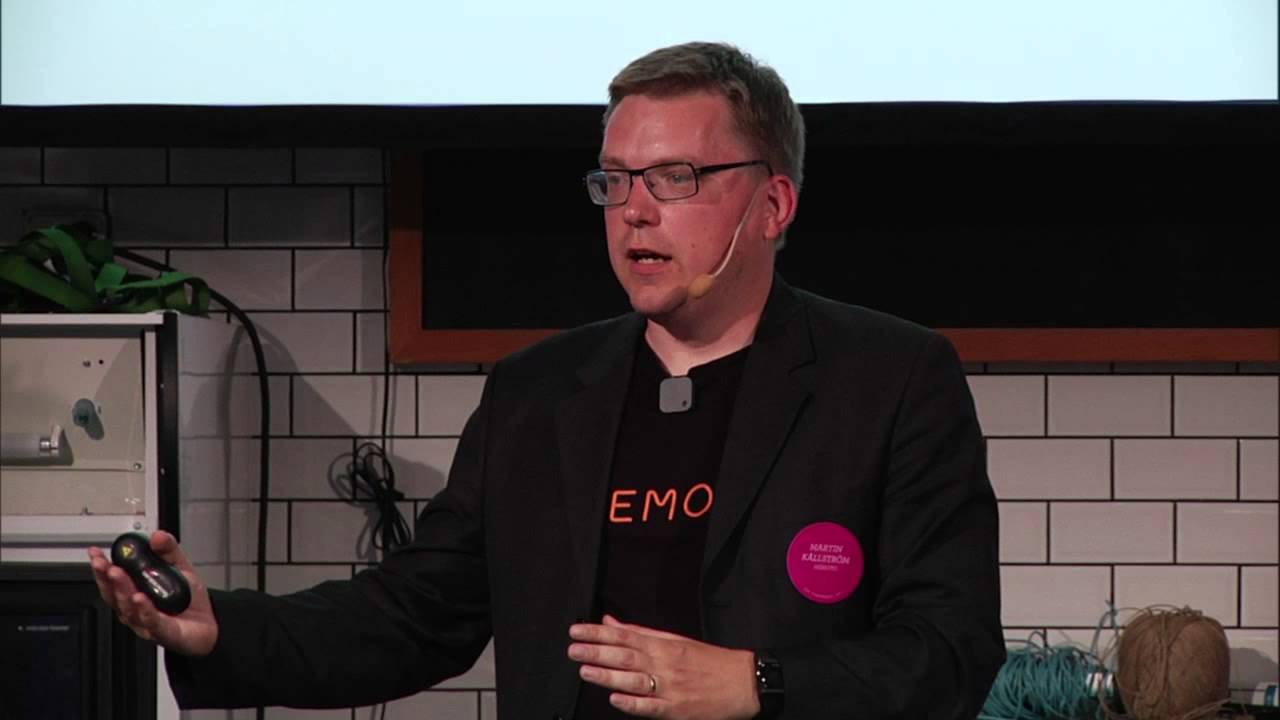
The earliest telling predates the camera. At TEDx Botkyrka in 2012, talking about the real-time web, Martin called his father's death "one of the more transforming events of my life" and dated it: he was 22, and it was thirteen years ago. ▶ 14:35 What he drew from the last weekend was its ordinariness: "all we could do was Have breakfast together, sit and talk, talk about the weather, look through the windows, have lunch together", and leaving on the bus he understood "what matters are those everyday conversations that we have together." ▶ 15:26 No albums yet, no mother, no product. Just breakfast and weather.
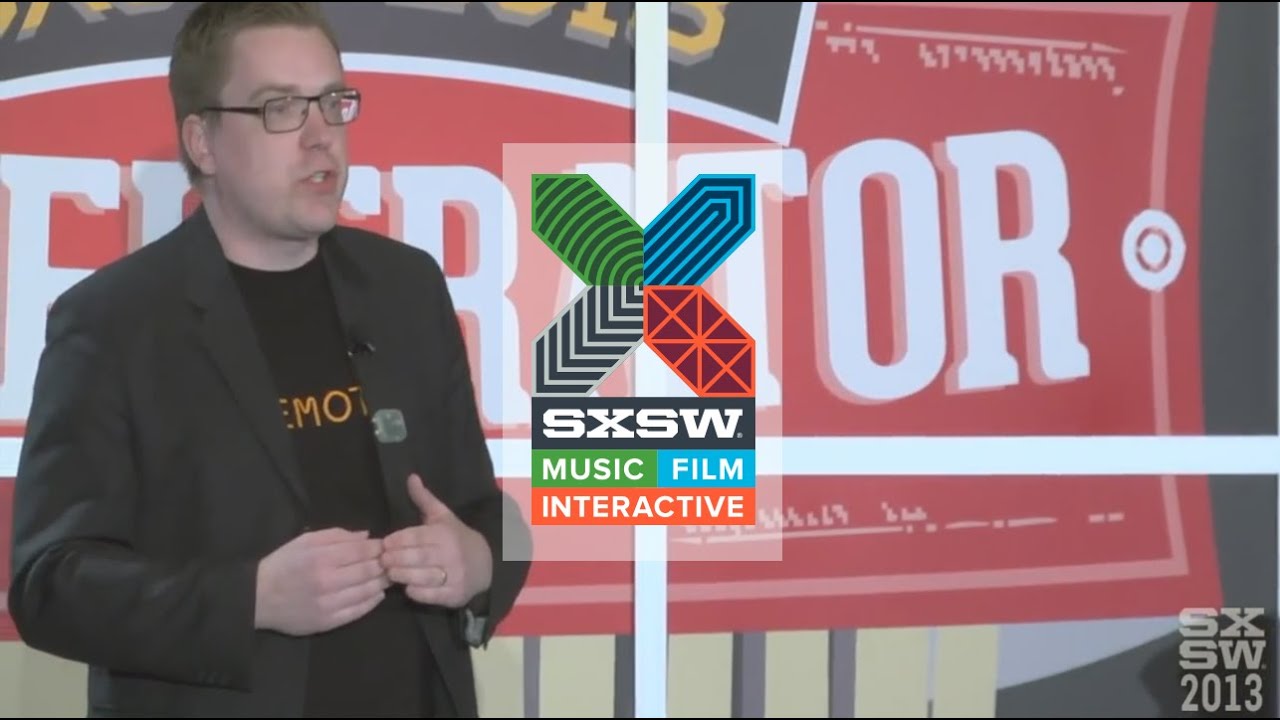
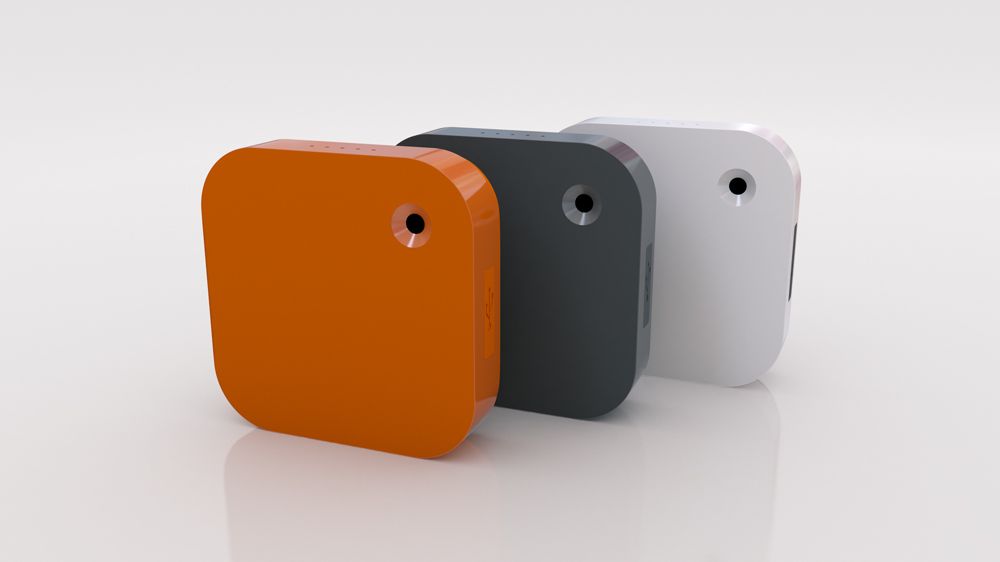
A year later the product existed and the story had a second half. Pitching at the SXSW Accelerator in March 2013, he opened with a generalized grief, "Many of us also have relatives that we lost far too early", and said Memoto came "From these happy and sad experiences" ▶ 0:18, then went straight to the birthday: "These are photos from my daughter Lynn's birthday just one week ago. She turned 9." ▶ 0:48 The closing slide returned to her: "she has a full stretch of 200 photos from the couple of hours her friends were over", so that "she can actually remember every moment." ▶ 4:54 The parents are unnamed; the daughter is named.
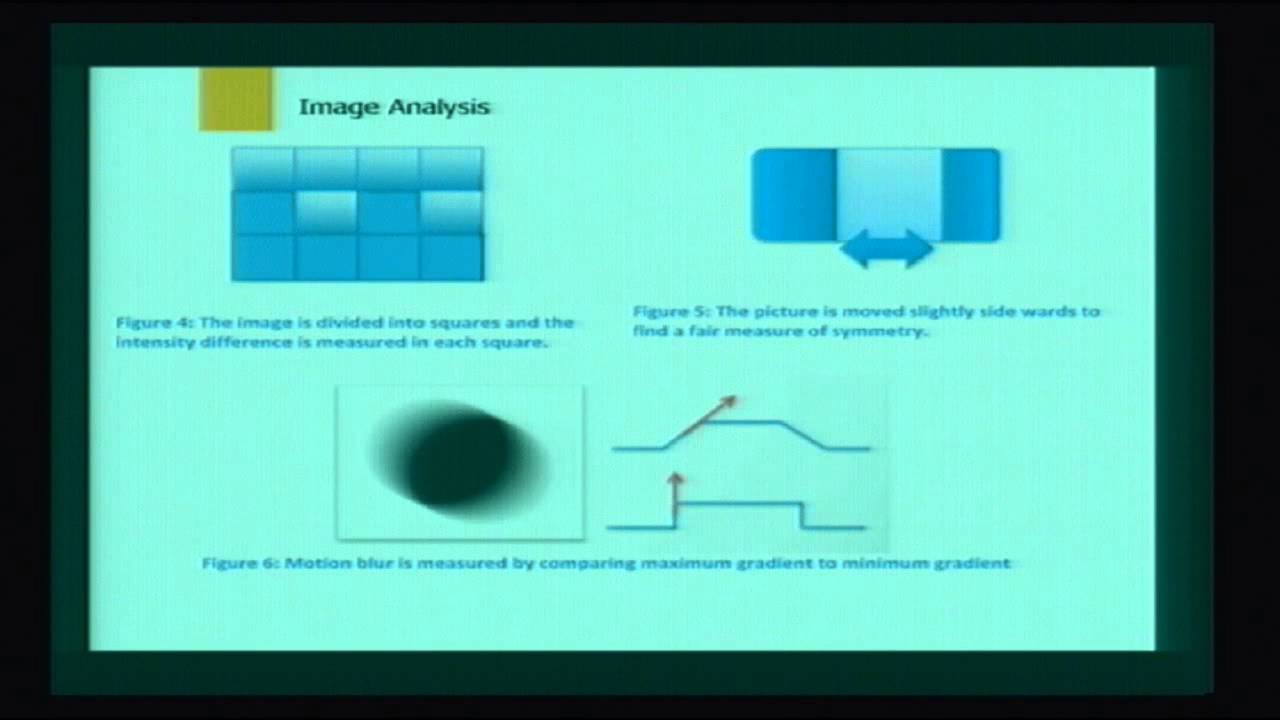
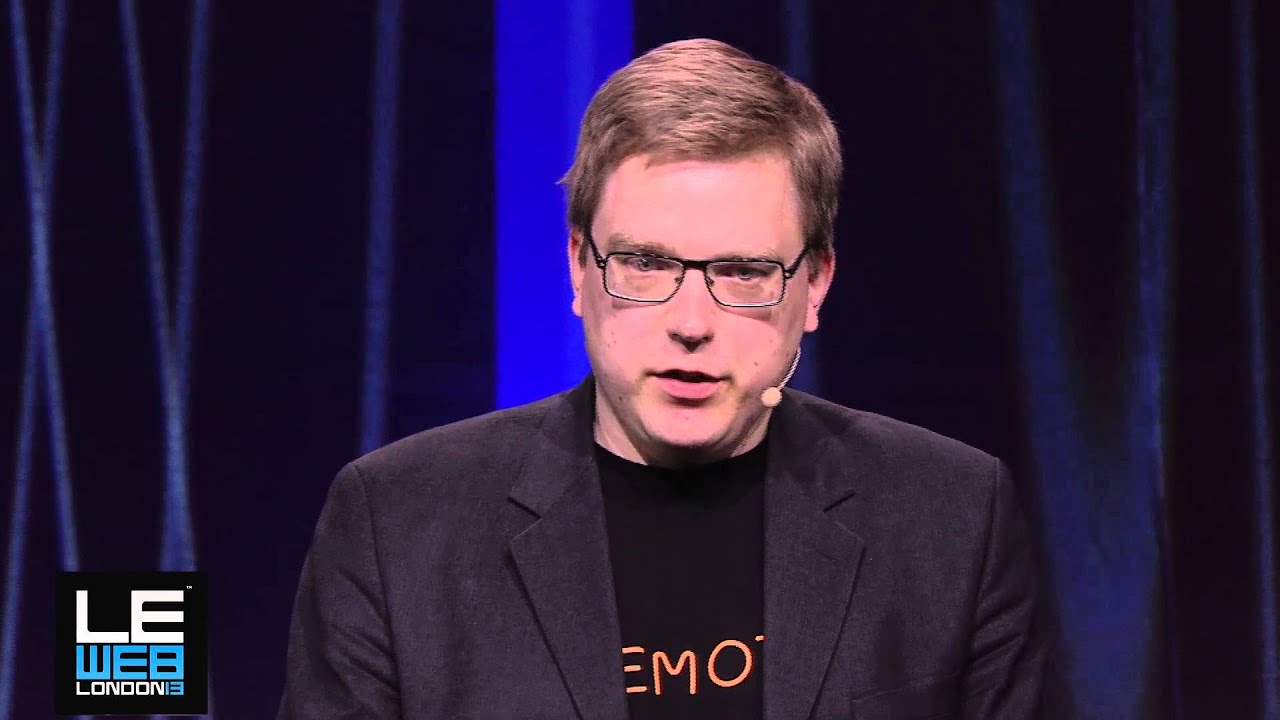
In Linköping in April, at MTD, the party was "när hon fyllde nio för två veckor sedan" (when she turned nine two weeks ago) ▶ 2:08, and the count was hedged: "Med hjälp av Memoto tog hon kanske 200 bilder av sitt födelsedagsklass." (With Memoto's help she took maybe 200 pictures of her birthday party.) The argument was replacement versus reinforcement: the pictures "kommer förstärka hennes egna minnen istället för att ersätta dem" (will reinforce her own memories instead of replacing them). ▶ 2:13 By LeWeb London in June the same slides were "captured by my daughter on her 9-year-old birthday party just a month ago." ▶ 5:47 One week, two weeks, a month: the party stays recent for a whole spring of talks.
Summer 2013: the children, then the parents
In August, at the Wearable Technology conference, the order flipped and the children came first. "I have 2 kids growing up. They are now 7 and 9 years old, and it seems like only yesterday they were little toddlers" ▶ 16:54, and what he wanted was more pictures of ordinary time with them than of "the birthday parties and the Christmases and the family outings that I now consciously take photos of." ▶ 17:19 Only then the parents, in one clause: "I also unfortunately lost both my parents when I was younger." ▶ 17:46 The albums appear here for the first time in English, as photos where everyone is smiling, against the moments "when you're sitting down having breakfast or taking a walk in the park, moments that you never think about capturing." ▶ 18:11
The press added details he did not say on stage. Der Spiegel recorded that "Källström's parents died, and many memories were lost." Der Spiegel ↗ HuffPost said he "was distressed by how quickly the mundane events of everyday life, like breakfast with his kids, slipped from memory." HuffPost ↗ And on the Guardian's Tech Weekly the loss was absent altogether; the story was a beach instead. "it's a beautiful day at the beach, and the sun is just coming down and the air is cooling off, and you start thinking about, not about how beautiful it is, but rather, how am I going to describe this on Facebook?" ▶ 22:04 For a radio audience the argument was presence, not grief.
2014: the mother, the diary, the peephole
The fullest telling is in Swedish, to Startuppodden's Mikael Zachrisson in February 2014. Here the idea has a prehistory: a wish to document his life that he could never keep up. "Jag kan inte skriva dagbok för att jag glömmer bort att göra det." (I can't keep a diary because I forget to do it.) ▶ 39:41 The loss is stated as a pair, "Sen har jag förlorat båda mina föräldrar i olika omgångar" (Then I have lost both my parents, at different times) ▶ 40:06, but the album moment is tied to one of them: "efter att mamma gick bort, när man tittar i fotoalbum där man ser oss tillsammans" (after mum passed away, when you look in photo albums where you see us together), and what he saw was that "Det är bara de glada, roliga stunderna som blir dokumenterade." (It is only the happy, fun moments that get documented.) ▶ 40:32 The father is the transforming event at TEDx; the mother is the one whose albums he opened. Near the end the story points forward for the first time: the camera as a peephole he wants to leave to his own children (see Colorful socks and the peephole). ▶ 60:24
2015 and 2017: the numbers settle, the ending changes
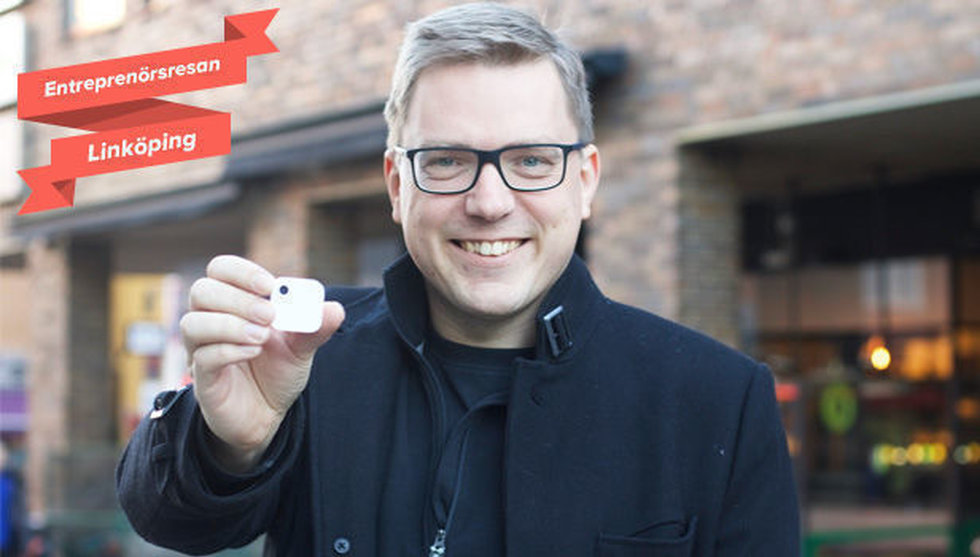
Breakit's November 2015 profile is the telling that fixed the arithmetic. "När Martin Källström var 22 år förlorade han sin biologiska pappa. Tio år senare var även mamman borta." (When Martin Källström was 22 he lost his biological father. Ten years later his mother was gone too.) The albums held "mest bilder från högtider men det var ont om vardagsbilder" (mostly pictures from holidays, but everyday pictures were scarce); his own words were "Jag ville komma på ett sätt att fånga spontana ögonblick." (I wanted to find a way to capture spontaneous moments.) The children were now 11 and 9. Breakit ↗ It also gives the business rationale, that nothing existed "i korsningen mellan wearable tech och foto" (at the intersection of wearable tech and photo). Breakit ↗
By July 2017 the company was gone, and the story was told to Breakit's Camilla Björkman as a lesson rather than a pitch. Both parents die of cancer, stated together: "Både min pappa och min mamma gick bort i cancer och det gav mig helt nya perspektiv." (Both my dad and my mum died of cancer and it gave me completely new perspectives.) ▶ 4:43 The album image is now about having no one to ask: "när båda mina föräldrar var borta plötsligt. Då fanns det ju ingen som kunde berätta för mig om vårat liv när jag var liten" (when both my parents were suddenly gone, there was no one who could tell me about our life when I was little). ▶ 5:23 And the ordinary moments have weather in them: "Ibland regnar det och man är nere eller så är det bara vardag och man äter frukost ihop." (Sometimes it rains and you are down, or it is just an ordinary day and you eat breakfast together.) ▶ 5:48 The birthday party does not appear at all. With the product gone, the parents' absence carries the story alone.
In 2022, on Polyprat, the father returns not as an origin story but as unfinished business: "jag fick läka relationen med min pappa som dog när jag var 22 år, som jag inte har kunnat prata med på 20 års tid" (I got to heal the relationship with my dad, who died when I was 22, whom I had not been able to talk to for 20 years). ▶ 23:07 The number 22 is the one constant across a decade of tellings.
Worth remembering
- The birthday stays recent for three months of talks: one week at SXSW, two weeks at MTD, a month at LeWeb. ▶ 0:48 · ▶ 2:08 · ▶ 5:47
- Which parent leads depends on the point: the father for everyday conversations, the mother for the albums. ▶ 14:35 · ▶ 40:32
- The 200-photo count is the one figure that never drifts, even hedged as "kanske 200". ▶ 4:54 · ▶ 2:13
- To radio listeners the story was a beach and Facebook, not grief. ▶ 22:04
- After the bankruptcy the daughter drops out and the parents carry it alone. ▶ 5:23