

The reviewers
The Narrative Clip reached reviewers in early 2014, more than a year late, at $279, and the verdicts came back with unusual consistency. Almost everyone liked the idea. Almost everyone found the photos mediocre, the price high, the social situation awkward and the device easy to lose. Martin had anticipated most of it, and his answers were less defensive than the critics expected. This page collects the 2014 wave by name, Leo Laporte's secret month on TWiT, Arthur Guy's video diary, the Computer Sweden line, and Martin's replies. For the people who loved the camera, see Letters from users.
The lens that looked like an eye
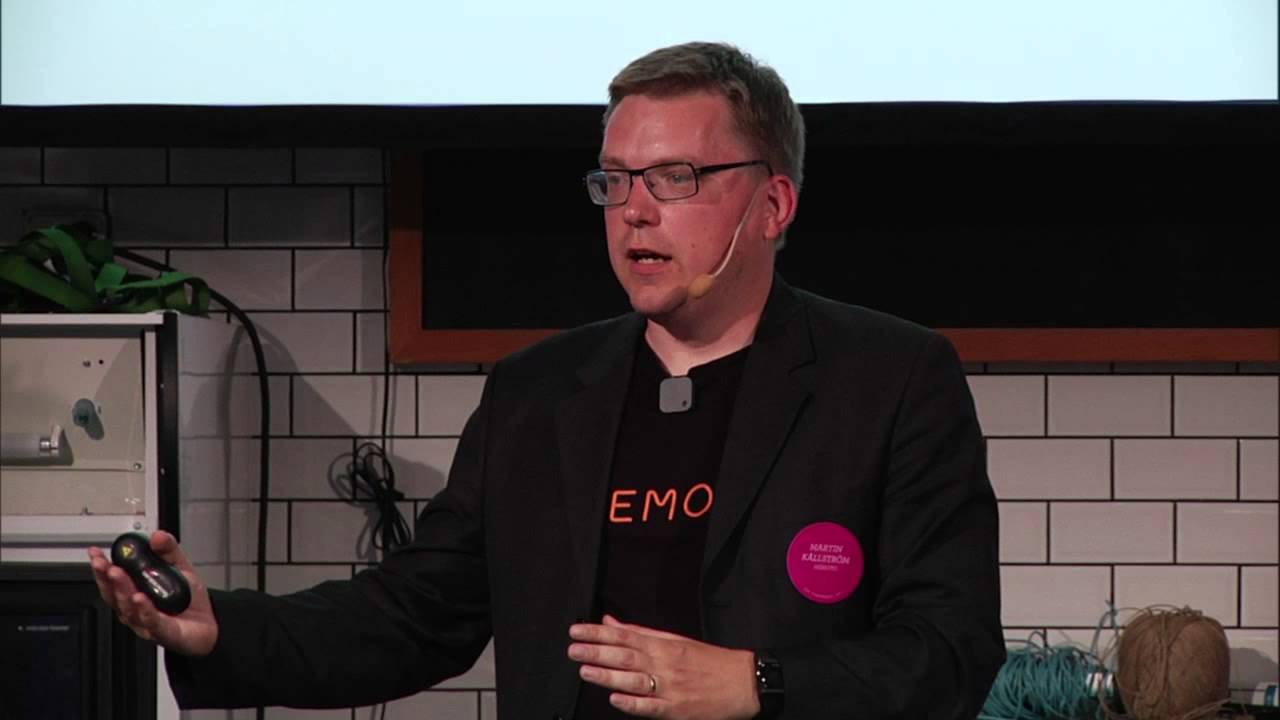
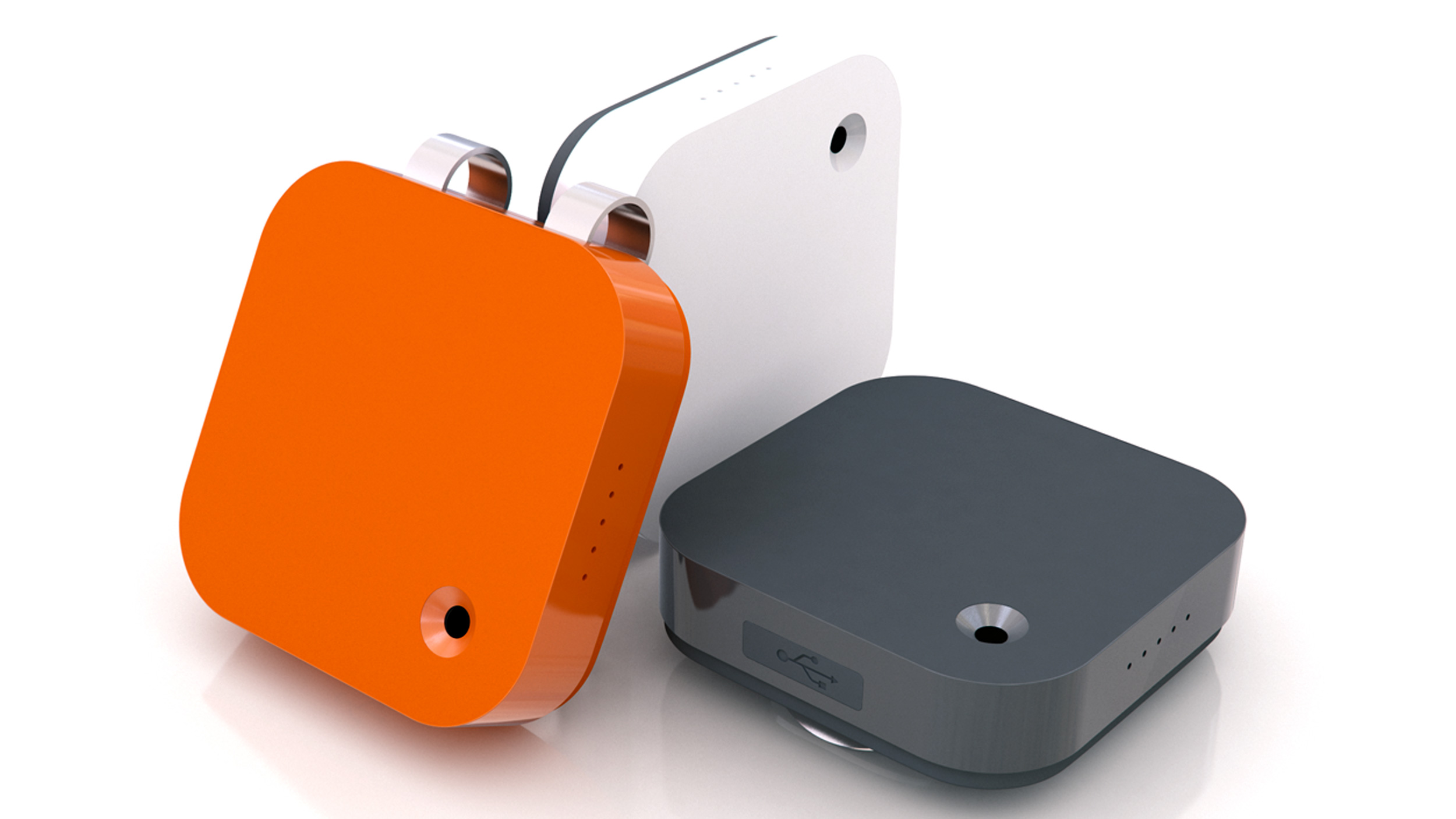
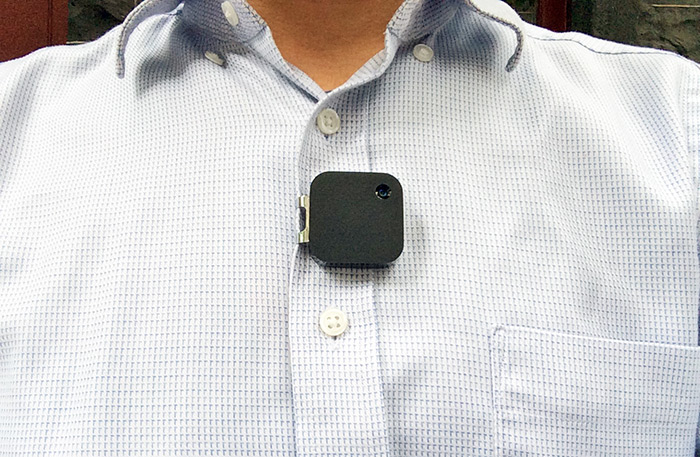
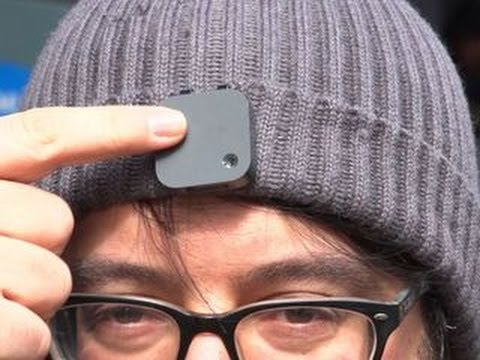
Before any reviewer touched it, the Clip had already failed one test. At a wearable-technology conference in 2013 Martin explained that the hardware had to be honest and subtle, a camera rather than a spy gadget, and that every conceivable shape had been 3D-printed and user-tested. ▶ 20:21 · ▶ 21:12 The obvious layout did not survive contact with people: "We tried to put the camera lens in the middle of the device, but that was really perceived as too distracting", because others struggled to talk to the wearer when "it looked like a third eye that constantly draws your own eyesight to it". The fix was to move the lens into a corner and ring it in metal that catches the light, so it reads as a camera without staring back. ▶ 21:38 · ▶ 22:55 Three years later, on a Silicon Valley Forum panel, he was still citing that focus-group work against press that lumped Narrative with Google Glass, which "failed to convey the same feeling of honesty in their audience". ▶ 15:09 · ▶ 15:35
The 2014 wave
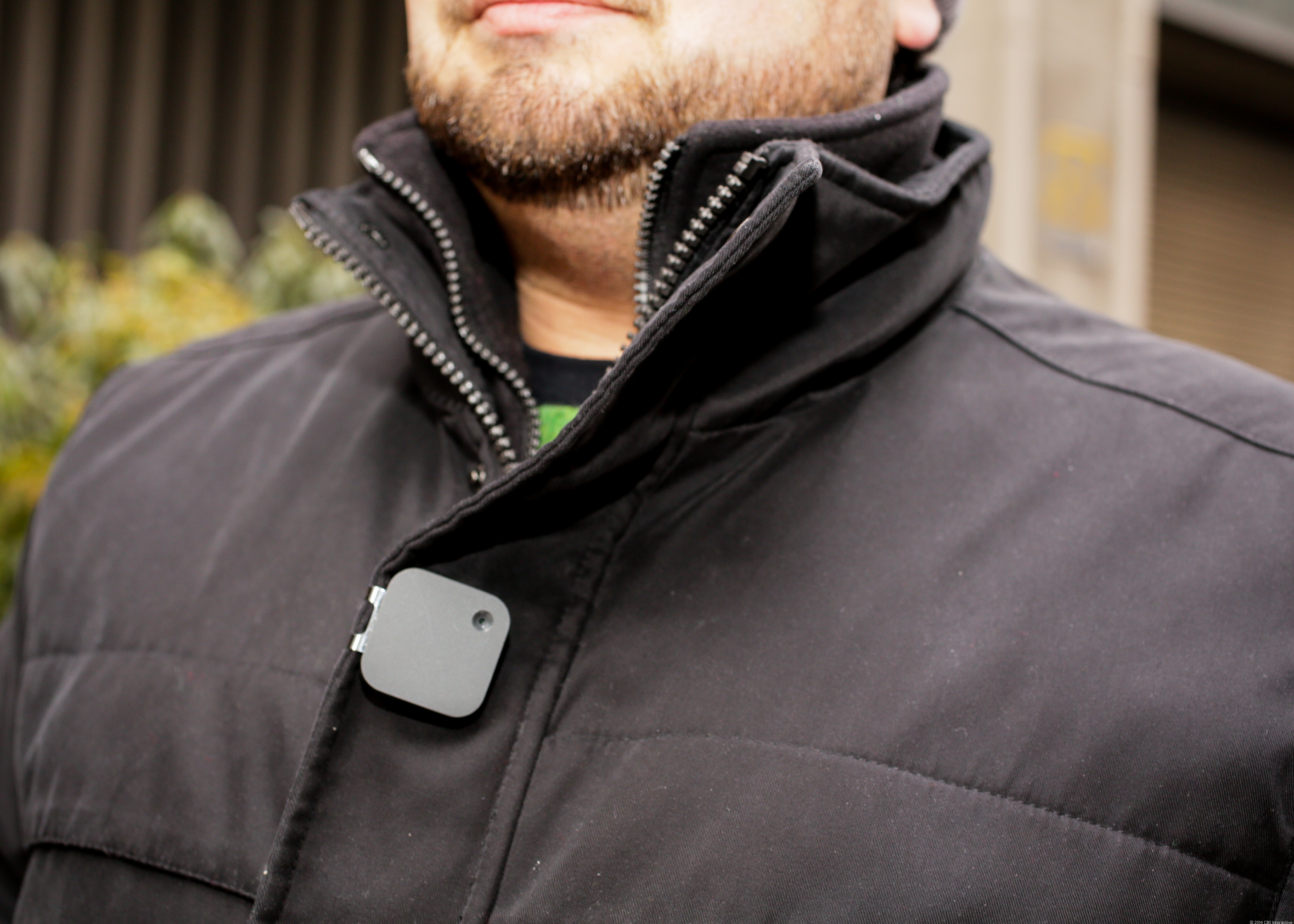
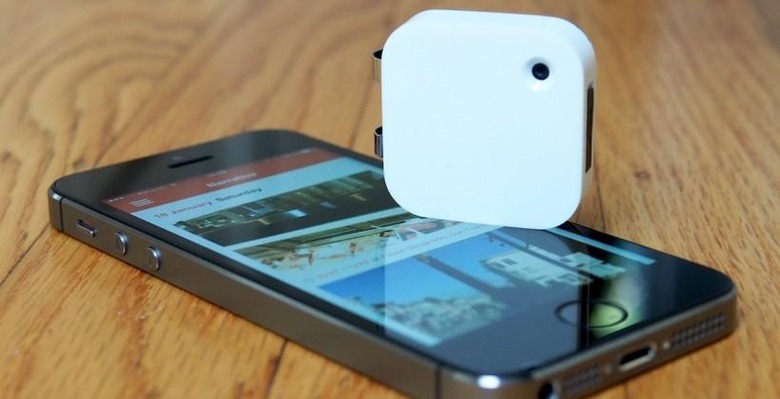
The reviews landed between January and August 2014 and read together as one argument with four counts. On photo quality, Michael S. Lasky at Wired rated it "7/10 — Very good, but not quite great"; Les Shu at Digital Trends found "Most of the photos didn't look as sharp as Narrative's samples, and colors were often washed out or oversaturated". WIRED ↗ · Digital Trends ↗ On framing, Scott Stein at CNET wrote that "as to where that little camera is really looking, well, that's anyone's guess", and Chris Davies at SlashGear warned that a drooping Clip leaves "a day's worth of photos of people's chests punctuated with whatever you were eating". CNET ↗ · SlashGear ↗
On price, Wired's "$280 price tag is expensive." was the polite version; Long Zheng at istartedsomething concluded "the Narrative Clip is disappointing at $279.", and CNET's video review called it "a lot of money for a camera That doesn't really do anything". WIRED ↗ · istartedsomething ↗ · ▶ 2:58 On losing it, Shu's team simply did: "We aren't sure if we left it somewhere or it popped off when we were removing a jacket, but we lost it." Digital Trends ↗
Creepiness had the widest spread. Stein's verdict was that the Clip "lacks the flexibility, affordability, and camera quality to meet its promise", but the line people remember is domestic: "My wife was instantly turned off by the device when I got home, and insisted I turn it off, put it away." CNET ↗ Steve Sande at Engadget gave 3.5 stars out of 4 yet still met a bystander who called it creepy; Zheng argued the Clip was "actually a worse experience than Google Glass since the Clip is entirely passive". Engadget ↗ · istartedsomething ↗ The wearers' own notes were milder. Davies found "The most common reactions I got from people spotting the Clip was curiosity"; Sarah Kessler, for Fast Company, was "astounded that nobody in the crowded restaurant gives it a second look." SlashGear ↗ · Fast Company ↗ Her conclusion was the quietest damnation of the wave: "for today at least, I prefer my version of memory". Fast Company ↗ Bianca Bosker's HuffPost headline was "Nice To Meet You. I've Already Taken Your Picture"; Elise Hu's NPR segment asked whether it was cool or creepy. HuffPost ↗ · NPR ↗
The goodwill was real. Martin SFP Bryant at The Next Web called it "the most polished of the wearable lifelogging cameras we've looked at to date". The Next Web ↗ Daniel Bader at MobileSyrup summed it up as "a good idea held back by buggy software and first-generation hardware". MobileSyrup ↗ Julie Strietelmeier at The Gadgeteer delivered the verdict Martin would hear again in Swedish: "For people who lead pretty boring lives like myself, I don't see the Narrative Clip as a useful gadget for every day use." The Gadgeteer ↗
Leo Laporte's secret month
The most theatrical review was on TWiT's Before You Buy, hosted that day by Shannon Morse. Leo Laporte revealed he had worn a Clip on his shirt for the past four weeks and nobody on the show had noticed; his first joke was "This can get you beat up in the Mission District." ▶ 23:09 · ▶ 23:20 · ▶ 23:22 When he traced the idea back to Gordon Bell, whose wife has Alzheimer's, Morse responded on air: "Well, now I'm considering buying one because I know somebody who has Alzheimer's." ▶ 24:26 · ▶ 25:13
Then he opened his photo stream. "These pictures suck. So there are a couple of reasons that they suck.": a cheap lapel camera, and a problem he called his own, "I got a bit of a belly. And so, the thing's tilted up. It's always looking up." ▶ 28:12 · ▶ 28:59 On privacy he went further than any print reviewer: "if you think Google Glass is offensive, this is worse. There's no way of knowing it's taking a picture." ▶ 26:42 He did the loss arithmetic: "I lose Fitbits every 5 or 6 weeks. So this is a $279 doodad that is going to be very easy to lose." ▶ 32:21 His verdict: "No, it's a don't buy. It's too expensive. But I praise the guys at Narrative. I think this is a great idea.", adding that he was glad he had given them his Kickstarter money. ▶ 32:56
Arthur Guy's girlfriend leaves the room
Arthur Guy's YouTube review is the backer's-eye version. It opens in delight, "Today I received an item which I've been eagerly awaiting. I've been looking forward to this since I backed it", then hits the constraints, including a battery that means "you can't take it on holiday" without a computer. ▶ 0:00 · ▶ 3:23 He met Laporte's tilt problem in reverse: "when I'm sitting down it hangs pointing downwards, and when I'm standing up it points upwards". ▶ 5:03 Then the social cost: "This idea is, I think, really going to freak people out.", and at home, "my girlfriend's kind of claimed that she won't be in the same room as me when I'm wearing this camera". ▶ 8:55 He signed off pleased anyway. ▶ 13:34
"My life is so boring", and how Martin answered
On Startuppodden in 2014, host Mikael Zachrisson told Martin reviewers had been discussing image quality and that "Mitt liv är så tråkigt tror jag Computer Sweden skrev här förut." (I think Computer Sweden wrote, my life is so boring). Martin's answer was that the response was extremely varied, in a good way: "För varje person som tycker att bildkvaliteten är under förväntan så finns det någon som tycker att den är över förväntan." (for every person who finds the image quality below expectations there is someone who finds it above them). ▶ 1:03:18
The boring-life objection he had pre-empted at SXSW a year earlier: "We think that the mainstream use case is not to have a camera on every day going to the office, back and forth, and so on." ▶ 12:28 Unfinished software he had conceded in advance, pulling search from launch because it did not work yet and telling SlashGear that a founder has to "make the decision when you finally say" it is ready enough. SlashGear ↗
On creepiness his defence was design and policy, not denial. To Elise Hu he said the Clip was made obvious on purpose and "We never publish stuff automatically on the Web."; to Bader, that "there is an immense amount of emotion with photos"; to Paul Melcher at Kaptur, that wearable cameras would happen with or without Narrative, so its job was to set a high bar on personal integrity. NPR ↗ · MobileSyrup ↗ · Kaptur ↗ A decade on, Martin's own field notes matched the reviewers rather than the headlines: "I wore it on and off for like 5 years. And during that time, maybe at 2 times, there was someone asking me if it's okay for me to take off the camera or switch off the camera.", and he usually removed it first, because "I start to get uncomfortable before the other person does". ▶ 19:12
The photo and framing verdicts were answered with hardware. Clip 2, in Brian Heater's TechCrunch obituary for the company, "improved upon image quality and framing of the first generation, while lowering the price point". TechCrunch ↗ In Mark Wilson's Fast Company post-mortem Martin gave the reviewers their due in one sentence: "We had great demand, but we sort of mismanaged the opportunity". Fast Company ↗ The reviews had been right about the first product and wrong about the idea, which is roughly what Laporte said in the first place.
Worth remembering
- The 2014 verdict ran on four counts: photos, price, creepiness, losability. Wired 7/10; CNET: "lacks the flexibility, affordability, and camera quality to meet its promise". WIRED ↗ · CNET ↗
- Leo Laporte wore it four weeks unnoticed, called it a don't-buy, and praised the idea in the same sentence. ▶ 32:56
- The third-eye lens was caught in user testing before launch; the corner lens and metal ring were the answer. ▶ 21:38
- Reviewers who wore it met curiosity; the hostility came from partners at home, Stein's wife and Guy's girlfriend. CNET ↗ · ▶ 8:55
- Martin's own count over five years of wearing it: asked to switch it off about twice. ▶ 19:12